In 2025, personal branding is no longer reserved for influencers, CEOs, or content creators with a massive following. Today, anyone — yes, even you — can build a personal brand from scratch and turn it into a meaningful source of income. The best part? You don’t need a product to sell. All you need is clarity, consistency, and the willingness to show up.
This guide is designed for beginners who want to build a personal brand online without selling a product. Whether your goal is to make money through affiliate marketing, content monetization, or future digital offerings, this is your roadmap.
Before we begin, if you’re specifically looking to start earning online without having a product of your own, don’t miss this essential resource:
1. Understand What a Personal Brand Really Is

Your personal brand is not just your Instagram bio or LinkedIn headline. It’s the total perception people have of you when they come across your content. It’s your personality, your message, your values — and how consistently you show up online.
You already have a brand. The question is: Are you shaping it intentionally?
A powerful personal brand does 3 things:
• Clarifies who you help
• Communicates what you offer
• Builds trust over time
You don’t need to fake expertise or invent a persona. Authenticity wins. Start with who you are, and build from there.
2. Pick a Focused Niche (You Can Expand Later)

One of the biggest mistakes beginners make is trying to be everything to everyone. The fastest way to stand out is to go deep, not wide.
Ask yourself:
• What topic could I talk about for hours?
• What problem have I solved in my life that others are still struggling with?
• What do people often ask me for advice about?
Your niche should sit at the intersection of:
• What you enjoy
• What people need
• What can eventually be monetized
Examples:
• “Time-saving hacks for working moms”
• “Fitness for busy beginners”
• “Simple tech tutorials for non-tech people”
Don’t worry about being the best. Just be clear and consistent.
3. Craft Your Message and Tone

Now that you know your niche, you need to define how you’ll communicate with your audience. This includes your tone of voice, storytelling style, and message pillars.
Decide on:
• Tone: Are you casual, inspiring, funny, or analytical?
• Storyline: What journey are you taking your audience on?
• Tagline: One sentence that sums up your value.
Example taglines:
• “Helping introverts grow online without burnout.”
• “Making tech tools feel human and simple.”
• “Helping everyday people earn extra income online.”
When people land on your page, they should instantly understand what you do and who you do it for.
4. Choose the Right Platforms for Your Brand

Don’t try to be on every platform at once. Choose one or two based on your strengths and where your audience hangs out.
Here’s a quick guide:
• Instagram: Ideal for short tips, coaching content, visual storytelling, and lifestyle-focused Reels. Great for building a relatable, approachable brand image.
• YouTube: Perfect for tutorials, deep-dive content, and evergreen videos. Best suited for creators who want to build long-term trust and authority in their niche.
• TikTok: If you’re creative and enjoy trends, this platform offers rapid reach without needing a budget. It’s ideal for personal connection and viral content.
• Twitter/X: Best for sharing insights, mindset shifts, and micro-articles. Great if you’re strong with words and want to build a thought-leader presence.
• Blog + SEO: The top choice for long-term, passive traffic. Perfect for those who love writing and want to establish authority through search-friendly content.
Each platform has its own content style. Focus on one long-form (YouTube/blog) and one short-form (Instagram/TikTok) to start.
5. Build and Optimize Your Online Profiles
Your profiles are your digital storefront. Make sure they:
• Use a clean, professional photo (or recognizable logo)
• Include a clear tagline and what you offer
• Link to your email list, site, or Linktree page
• Share highlights, testimonials, or past wins (if any)
Whether it’s your Instagram bio, LinkedIn headline, or YouTube “About” section — treat it like your elevator pitch. Every word counts.
Use the same profile photo, brand colors, and tone across all platforms to create consistency.
6. Start Creating Valuable Content

Now comes the fun (and often overwhelming) part: publishing.
But don’t overthink it. Valuable content:
• Solves a problem
• Answers a question
• Tells a relatable story
• Shares a useful tool, idea, or mindset shift
Some beginner-friendly content ideas:
• “3 mistakes I made when starting out online”
• “How I organize my work week with no tools”
• “Top free tools for building a personal brand”
Stick to a simple schedule: 2–3 posts per week on your main platform. You can batch content or repurpose it across platforms.
7. Start Monetizing Through Affiliate Marketing
You don’t need a product to make money online. One of the best ways to monetize your personal brand early is through affiliate marketing.
Here’s how:
1. Join affiliate programs in your niche (Amazon, ShareASale, Gumroad, Impact, etc.)
2. Promote tools, books, or services you genuinely like
3. Include links in blog posts, YouTube descriptions, or social media captions
4. Always disclose affiliate relationships clearly
Best content types for affiliate links:
• Resource lists (“Tools I Use to Grow Online”)
• Tutorials (“How to Use [Tool]”)
• Comparisons (“X vs Y: Which One Is Best for Beginners?”)
The more trust you build, the more likely people will click and convert.
8. Build an Email List or Landing Page
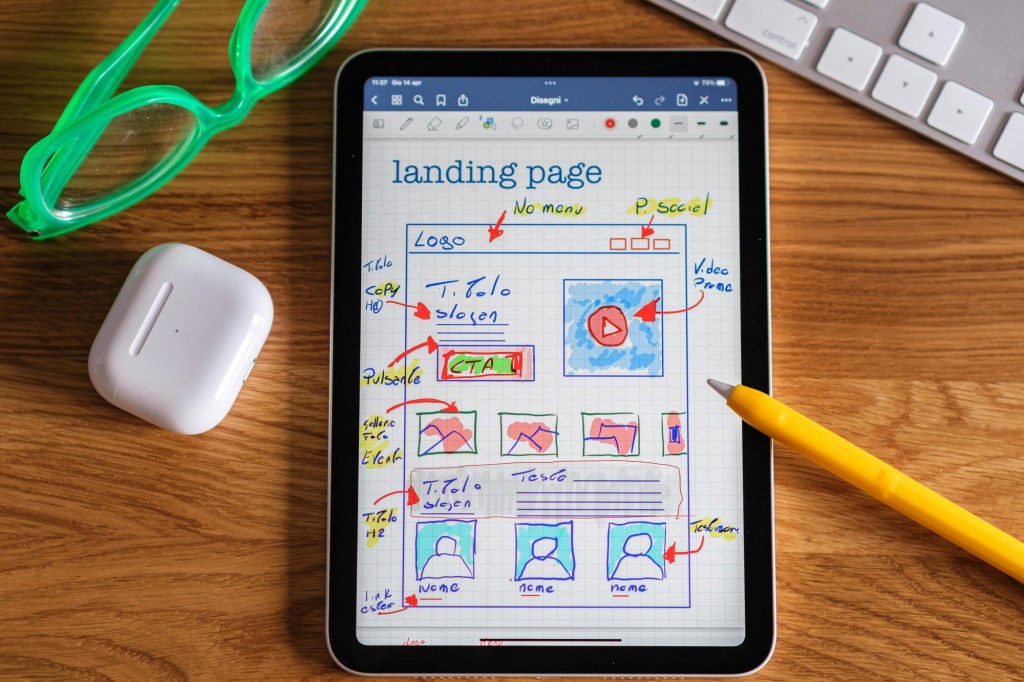
Even if you’re starting on social media, you want a way to own your audience. Social platforms change — your list stays.
Set up a simple landing page or newsletter with:
• A strong headline (“Want weekly tips on building your brand?”)
• A lead magnet (optional): checklist, ebook, video
• A simple form to collect emails
You don’t need a huge audience. You need the right relationships:
Use free tools like MailerLite, Systeme.io, or ConvertKit to start.
Add this link to your bio on all platforms. Drive traffic to it weekly.
9. Collaborate and Be Seen in the Right Circles

Your personal brand grows faster through connections.
You don’t need a huge audience. You need the right relationships:
• Comment on other creators’ content
• Share their work and tag them
• Offer to do live sessions or guest posts
• Join communities in your niche (Reddit, Discord, FB groups)
These connections expose you to new people who already trust the person you’re aligned with. That trust transfers.
10. Track What Works and Refine Your Strategy
Set a weekly or monthly check-in:
• Which content performed best?
• What got the most saves, shares, or comments?
• Which affiliate links brought in clicks or revenue?
• What did people message or ask you about?
Use those insights to create more of what works and drop what doesn’t. Over time, your brand evolves from guesswork to precision.
Final Thoughts: You Don’t Need a Product — You Need a Presence
Your story, your journey, and your knowledge are enough to get started. Don’t wait until you “have something to sell.”
When you build a brand:
• You build attention
• You build relationships
• You build trust
And that’s what eventually leads to monetization — through affiliate links, sponsored deals, digital products, and more.
SEO Title: The Ultimate Beginner’s Guide to Building a Personal Brand Online (Without a Product)
Meta Description: Learn how to build your personal brand online from scratch — even if you don’t have a product. Discover the steps to grow trust, followers, and revenue in 2025.
Slug: /build-personal-brand-online-no-product
Categories: Personal Branding, Online Business
Tags: build personal brand, affiliate marketing, online income, personal branding tips, no product needed, beginner guide, content strategy, social media growth
 Digital Income Strategies
Leave a comment