Tag: Affiliate Marketing

  • How to Build Passive Income Streams Online (With Proven Methods for 2025)

    How to Build Passive Income Streams Online (With Proven Methods for 2025)

    In the modern economy, the pursuit of passive income is no longer just a dream—it’s a strategic necessity. As more people seek flexibility, financial independence, and time freedom, the question has shifted from if it’s possible to how to do it effectively. The digital landscape in 2025 is rich with opportunities to build income streams that continue to generate revenue long after the initial effort. But success doesn’t come from hype—it comes from proven, replicable methods that compound over time.

    Let’s explore how to build real passive income online by focusing on strategies that work—not in theory, but in the lives of everyday creators, freelancers, and digital entrepreneurs.

    If you’re serious about building long-term income, you need to start with the right skills. Here are 10 digital skills you can learn for free to set yourself up for success—even before choosing a method.

    Start with the Right Mindset

    Before diving into income streams, it’s important to clarify what “passive” truly means. Passive income doesn’t mean “no work.” It means doing the work once, then getting paid repeatedly. Whether it’s writing a guide, recording a course, or building a niche site, the upfront investment is significant—but the return can be exponential.

    The people who succeed in passive income don’t chase trends. They build digital assets. Assets that solve problems, deliver value, and operate with minimal intervention. The goal isn’t to avoid effort—it’s to make effort scalable.

    If you’re just starting out with no budget, you don’t need fancy tools or capital—you need the right strategy. Learn how to launch your first income stream from scratch in our guide: How to Start Making Money Online with Zero Budget.

    Create Digital Content that Compounds

    One of the most sustainable ways to build passive income is to create digital content that continues to attract attention long after it’s published. Whether it’s a blog post, a downloadable resource, or a short-form video, content acts as a magnet. If structured correctly, it brings consistent traffic—traffic that can be monetized through ads, affiliate links, or digital products.

    This approach isn’t about going viral. It’s about consistency. By publishing content around a specific niche, especially one aligned with your knowledge or research, you begin to earn trust. That trust turns into clicks, and those clicks turn into income—especially when paired with relevant offers.

    The beauty of content-based income is that it’s cumulative. One blog post might bring a few cents. Ten posts, a few dollars. A hundred posts—if optimized well—can fund an entire side hustle or more.

    Monetize Knowledge Through Digital Products

    Another high-leverage method is turning your knowledge into a product. This doesn’t require being an “expert”—only being a few steps ahead of someone else. If you’ve solved a problem, figured out a process, or mastered a skill, there’s likely someone willing to pay to learn from you.

    Digital products can take many forms: a guide, a checklist, a resource library, or a full educational program. Once created, these products can be delivered instantly, with no inventory, no packaging, and no shipping. The key is to focus on a real problem people are facing, and offer a solution that is simple, actionable, and valuable.

    Many creators begin by building a product that complements their content—something that aligns naturally with what their audience already trusts them for. Over time, one product becomes two, and two become a digital library. That’s how passive income scales.

    Not sure what kind of product to create? These 10 easy digital products can help you get started—even as a beginner.

    Build a Niche Website That Works While You Sleep

    If you enjoy writing or researching, building a niche website is one of the most practical long-term strategies. A niche site is a focused blog or info-hub on a specific topic—such as health, finance, digital tools, or lifestyle hacks. These sites don’t require a massive audience. In fact, the narrower the niche, the better the conversion rates.

    The key is to choose a topic where people are already searching for answers. Once you create content around those search terms and optimize your site correctly, traffic starts to grow. That traffic can be monetized through ads, affiliate links, and downloadable products.

    Unlike social media, which often relies on constant posting, a niche site can generate income silently. Some pages might rank for months—or years—bringing recurring income with no additional work.

    This strategy pairs perfectly with skills like SEO, affiliate marketing, and content writing, all of which you may already be developing if you’ve explored other income paths.

    Turn Affiliate Links into Long-Term Earnings

    Affiliate marketing isn’t just a short-term tactic—it’s one of the purest forms of passive income when done strategically. The model is simple: recommend a product or service, and earn a commission when someone makes a purchase through your link. But the true power lies in automation.

    If your affiliate links are placed in blog posts that rank, emails that get opened, or content that’s continually shared, the commissions don’t stop. A single article or video can generate income every week without needing updates. The key is to choose evergreen products—tools or services that people will continue to search for over time.

    Rather than chasing trends or random programs, many online earners focus on building a portfolio of affiliate assets: a combination of content, email sequences, and landing pages that continue to work while they sleep.

    By focusing on solving real problems for your audience—and recommending tools that genuinely help—you build trust. And that trust translates into repeat income.

    Want to learn how to start affiliate marketing from scratch?

    Check out our complete beginner’s guide: Affiliate Marketing for Beginners: How to Start Earning Online in 2025

    Sell Digital Templates and Tools

    Creating a digital template is one of the smartest ways to turn effort into automated sales. Whether it’s a budgeting spreadsheet, a resume layout, a design mockup, or a simple checklist, templates solve specific problems quickly—something people are happy to pay for.

    Unlike services, digital tools don’t scale with your time. Once made, they can be sold again and again without needing updates or direct communication. Many digital creators begin by identifying repeatable processes in their work and packaging them for others. These products are especially useful in niches like productivity, education, content creation, and personal development.

    Passive income from digital tools isn’t about quantity—it’s about specificity. One well-made product that answers a clear need can bring in more income than ten generic ones. And the more precise the audience, the easier it is to create exactly what they’re looking for.

    Templates can also act as lead magnets, driving traffic or email signups, while offering the option for paid upgrades. That means income and audience growth can happen at the same time.

    Automate Simple Services into Scalable Systems

    If you’ve been freelancing or offering any type of service—whether it’s writing, editing, coaching, or consulting—consider turning your process into a product. This strategy sits at the crossroads of active and passive income. It begins as service-based, but becomes scalable through automation.

    For example, if you’ve written content for clients, you can create a writing framework or pre-made blog post outlines. If you’ve offered email marketing services, you can turn your onboarding flow into a mini-course. The core idea is to package your system into something others can use without you needing to be involved.

    As you shift from done-for-you to done-once-for-many, you unlock the power of leverage. This is where automation tools come in—not to replace your work, but to amplify it. With automated delivery, payment, and communication, even a modest product can create a steady stream of sales while you focus on building your next one.

    Monetize Your Audience Over Time
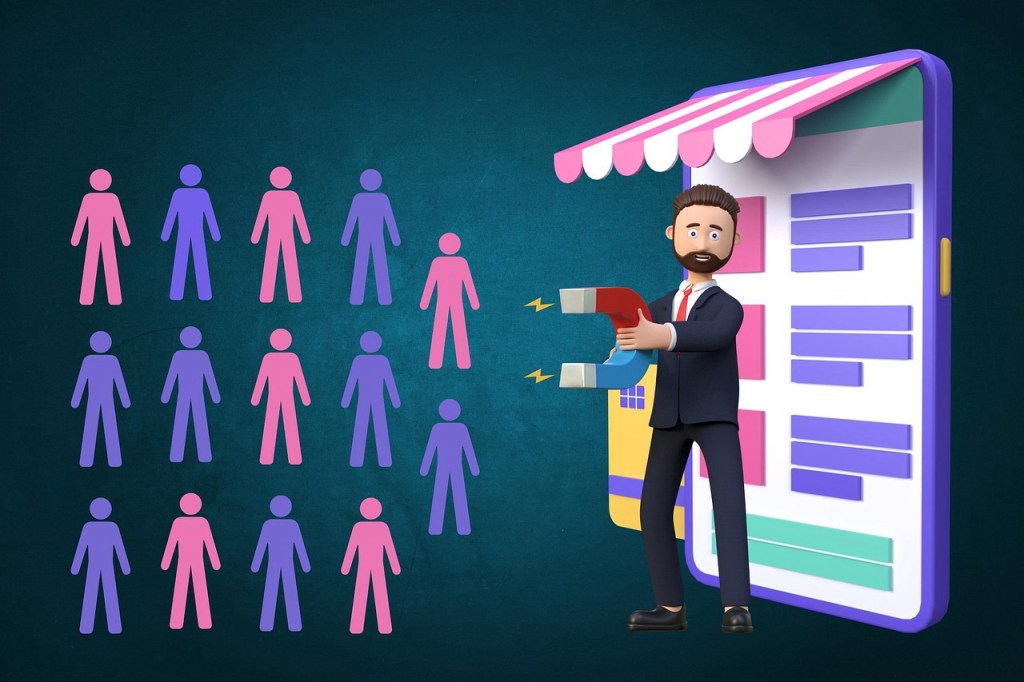
    If you’ve been building an audience—whether through a blog, newsletter, or social media—then you’re sitting on one of the most powerful forms of passive income: trust. While numbers matter, they’re not the full story. What matters more is connection. When people trust your recommendations, value your voice, and stay engaged, monetization becomes a natural next step.

    Passive income through audience monetization often starts small. A simple downloadable guide, an exclusive tip sheet, a private video series. As the relationship deepens, higher-value offers become viable: memberships, premium content libraries, or bundled resources.

    The key is to offer consistent value for free—so when you introduce a paid option, it feels like a continuation, not a switch. Passive income from audiences grows slowly at first, but accelerates once systems are in place and the right offer finds the right person at the right time.

    License or Repurpose Your Work

    One of the most overlooked ways to earn passive income is through licensing. If you’ve created something original—a text, a design, a program—you can give others the right to use it for a fee. This could be content you’ve already written, graphics you’ve already made, or lessons you’ve already recorded.

    Repurposing is also a powerful tool. A single piece of content—like a blog post or a framework—can be turned into multiple formats: an audio guide, a video mini-series, a checklist, or even a workbook. Every format opens up new audiences and new revenue potential, without needing to create something entirely new.

    This strategy allows your existing assets to keep working for you in new ways, increasing your total output without increasing your time investment. And when paired with systems for delivery and access, it becomes a truly passive stream.

    Build for the Long Term

    Passive income isn’t fast. That’s the biggest misconception. It rewards patience, consistency, and quality. The early stages feel like building a house with no roof. But one day, the momentum shifts—and you realize your work is no longer linear. It multiplies.

    That multiplication effect is what makes passive income so different from active work. It’s not just about earning while you sleep. It’s about creating something once that lives beyond you. Something that brings value to others without demanding constant effort from your side.

    And in the digital world, it has never been more possible to build those assets from nothing. You don’t need a massive budget. You don’t need fancy tech. You just need a skill, a solution, and the willingness to follow through.

    Start with one stream. Build it well. Let it grow. Then build another. That’s the rhythm of digital freedom.


  • Top 10 Digital Skills You Can Learn for Free to Start Making Money Online

    Top 10 Digital Skills You Can Learn for Free to Start Making Money Online

    If you’re ready to build income online, learning just one digital skill could be the game-changer you need—and you don’t need a cent to get started.

    The digital world is no longer an optional path—it’s the new economy. Whether you’re a student, a freelancer in the making, or someone searching for income beyond the 9-to-5, the truth is simple: your phone and your laptop can become your main source of income, as long as you master the right skill. Fortunately, many of the most profitable digital skills today are not only accessible to beginners but also completely free to learn.

    Let’s explore ten powerful digital skills you can master without spending money—and how each one can open doors to real, sustainable income online.

    1. Content Writing & Copywriting

    Among the easiest skills to start with, writing has become one of the most valuable assets online. Content writing focuses on delivering value, whether through blog posts, website articles, or email newsletters. Copywriting, on the other hand, is the art of persuasion—writing that sells. From landing pages to sales emails, good copy can drive thousands in revenue.

    The beauty of this skill lies in its accessibility. Platforms like HubSpot and YouTube offer excellent beginner guides that teach the basics of writing that converts. Once you refine your tone and style, you can pitch your services to websites, brands, or entrepreneurs who need compelling content. Many freelancers start by creating blog content or writing affiliate-driven posts for others, but eventually build their own income streams by launching niche blogs or offering premium services.

    2. Search Engine Optimization (SEO)

    SEO is the engine behind most content you see on Google. It’s the skill of helping content rank higher in search results—and that visibility can translate to thousands of extra visitors per month. Whether you’re helping a small business improve its online presence or building your own blog, SEO is a long-term asset that multiplies results.

    Free resources from Google, Moz, and HubSpot teach you how search engines work and how to apply optimization strategies. Even learning the basics—keyword placement, internal linking, metadata, and page structure—can lead to paid opportunities. As your confidence grows, you can offer SEO audits, write optimized content, or build your own content site and monetize with affiliate links or display ads.

    3. Social Media Management

    With billions of users active on platforms like Instagram, TikTok, and Pinterest, every business wants visibility. But few know how to stay consistent or build a loyal following. That’s where social media managers come in—they create content calendars, track analytics, and help brands connect with their audience authentically.

    It’s a skill that requires strategy as much as creativity. You can learn the core mechanics for free through Meta’s Blueprint or platforms like Later.com. Many aspiring freelancers start by offering management services to small business owners or personal brands, helping them post consistently and increase engagement. As you grow your expertise, you can also build your own social profile and use it to promote digital products or services.

    4. Email Marketing

    Often underrated, email marketing remains one of the highest-ROI digital strategies. It’s the backbone of direct communication with customers—and businesses need people who can write effective campaigns, automate follow-ups, and build email lists from scratch.

    With tools like Mailchimp, ConvertKit, and MailerLite offering free accounts and training, it’s easier than ever to practice. The key is understanding how to write emails that people actually open and click. Whether you’re writing welcome sequences, newsletters, or product launches, this skill quickly becomes valuable when you can show results. Freelancers who master email marketing can offer services to online coaches, e-commerce stores, and bloggers looking to increase their sales.

    5. Affiliate Marketing

    Imagine promoting a product you love and getting paid every time someone buys it through your link. That’s affiliate marketing—a skill that combines content creation with strategy. It’s ideal for people who prefer not to create their own product or service, but still want to earn.

    It’s one of the few skills where you can start immediately, even with no audience. Platforms like Amazon Associates, ClickBank, or ShareASale let you sign up and start promoting. You can share links in blog posts, short videos, or even emails. Over time, you learn how to choose high-converting products, build trust with your audience, and create content that drives clicks. If you’re curious about how affiliate marketing works, you can also read our full guide on the topic for beginners.

    6. Graphic Design

    Even if you’re not an “artist,” learning basic design skills can become a powerful way to make money online. From creating Instagram graphics and YouTube thumbnails to designing e-book covers or business logos, visual content is everywhere. The demand is only growing—especially from individuals and small brands that can’t afford a full-time designer.

    Free tools like Canva allow you to create stunning graphics without needing any prior experience or paid software. There are also entire YouTube channels and blogs dedicated to teaching design principles, composition, and color theory in a simple, digestible way. Once you develop a consistent style, you can start offering your services on freelancing platforms or even sell digital templates through marketplaces like Etsy or Gumroad. Many designers also monetize by creating content around their work—showcasing tutorials or offering templates as downloadable products.

    7. Video Editing

    Video content is now the most consumed type of media online. From short-form TikToks and Instagram Reels to full YouTube tutorials, people and businesses need editors to turn raw footage into polished, scroll-stopping videos. What once required expensive software is now easily accessible—even from a smartphone.

    You can start learning the basics of video editing through free apps like CapCut or DaVinci Resolve, and YouTube is filled with step-by-step tutorials. Once you understand how to cut, add transitions, balance audio, and apply text overlays, you’ll find countless opportunities. New creators, coaches, and small brands are constantly searching for editors who can help them keep up with content production. Even if you don’t want to edit for others, learning to edit your own videos gives you the power to build your brand, monetize through affiliate links, and attract clients through engaging visuals.

    8. Web Design

    Gone are the days when building a website required coding. Platforms like WordPress, Wix, and Webflow now allow anyone to create professional websites using visual editors—no programming knowledge required. The skill of no-code web design is ideal for creatives who enjoy structure, visual layout, and functionality.

    You can learn for free by following tutorials on YouTube or using each platform’s own documentation. Web design projects are especially valuable to service providers and small businesses who want a clean, modern site without paying an agency thousands. As you build a few sample sites or redesign templates, you can start offering freelance services or build your own websites to showcase products, services, or affiliate content. Many freelancers even scale by creating site templates or launching mini-agencies once they gain client experience.

    9. Digital Marketing Analytics

    Knowing how to run campaigns is one thing. Knowing how to measure results—and improve them—is what makes you indispensable. Digital marketing analytics is the ability to understand performance data, spot patterns, and make decisions based on what’s working. Whether it’s Google Analytics, Facebook Ads Manager, or email open rates, this skill is about knowing how to read the numbers and turn them into strategy.

    Google offers a free Analytics Academy where you can become certified in understanding user behavior and tracking campaign performance. Once you’re familiar with the tools, you can offer services like performance audits, report creation, or consult on how to improve digital ROI. Clients love numbers—especially when you can explain them simply and clearly. This skill often complements others, such as SEO or email marketing, and makes your work stand out in crowded marketplaces.

    10. Online Course & Digital Product Creation

    If you’ve mastered any of the skills above—or even have a unique personal experience—you can turn it into a product. Online courses, templates, guides, and e-books are powerful ways to generate passive income. They require effort upfront, but once created, they can earn money for years with the right promotion.

    Platforms like Teachable, Gumroad, and Canva offer tools to create and sell your own digital products with zero upfront cost. YouTube tutorials and free mini-courses teach you how to structure lessons, record content, and build sales pages. Many creators start small—offering a single template or one-hour mini-course—and grow their income by listening to feedback and expanding. The beauty of this model is that it allows you to earn while helping others solve problems you’ve already overcome.

    Final Thoughts

    The digital economy isn’t the future—it’s the present. And whether you’re aiming for a side income or dreaming of complete financial independence, it all starts with one skill. These ten digital paths don’t just represent theoretical opportunities—they’re proven ways people around the world are already earning online. The best part is, they’re all within reach without spending a single cent.

    By choosing one skill and dedicating time to practice and execution, you don’t just become more employable—you become self-sufficient. You don’t need a fancy degree or expensive tools. Just internet access, consistency, and the decision to start.

  • The Ultimate Beginner’s Guide to Building a Personal Brand Online (Without a Product)

    The Ultimate Beginner’s Guide to Building a Personal Brand Online (Without a Product)

    In 2025, personal branding is no longer reserved for influencers, CEOs, or content creators with a massive following. Today, anyone — yes, even you — can build a personal brand from scratch and turn it into a meaningful source of income. The best part? You don’t need a product to sell. All you need is clarity, consistency, and the willingness to show up.

    This guide is designed for beginners who want to build a personal brand online without selling a product. Whether your goal is to make money through affiliate marketing, content monetization, or future digital offerings, this is your roadmap.

    Before we begin, if you’re specifically looking to start earning online without having a product of your own, don’t miss this essential resource:

    Want to start earning without a product? Read our beginner’s guide to making money online with zero budget.

    1. Understand What a Personal Brand Really Is

    Your personal brand is not just your Instagram bio or LinkedIn headline. It’s the total perception people have of you when they come across your content. It’s your personality, your message, your values — and how consistently you show up online.

    You already have a brand. The question is: Are you shaping it intentionally?

    A powerful personal brand does 3 things:

    Clarifies who you help

    Communicates what you offer

    Builds trust over time

    You don’t need to fake expertise or invent a persona. Authenticity wins. Start with who you are, and build from there.

    2. Pick a Focused Niche (You Can Expand Later)

    One of the biggest mistakes beginners make is trying to be everything to everyone. The fastest way to stand out is to go deep, not wide.

    Ask yourself:

    • What topic could I talk about for hours?

    • What problem have I solved in my life that others are still struggling with?

    • What do people often ask me for advice about?

    Your niche should sit at the intersection of:

    What you enjoy

    What people need

    What can eventually be monetized

    Examples:

    • “Time-saving hacks for working moms”

    • “Fitness for busy beginners”

    • “Simple tech tutorials for non-tech people”

    Don’t worry about being the best. Just be clear and consistent.

    3. Craft Your Message and Tone

    Now that you know your niche, you need to define how you’ll communicate with your audience. This includes your tone of voice, storytelling style, and message pillars.

    Decide on:

    Tone: Are you casual, inspiring, funny, or analytical?

    Storyline: What journey are you taking your audience on?

    Tagline: One sentence that sums up your value.

    Example taglines:

    • “Helping introverts grow online without burnout.”

    • “Making tech tools feel human and simple.”

    • “Helping everyday people earn extra income online.”

    When people land on your page, they should instantly understand what you do and who you do it for.

    4. Choose the Right Platforms for Your Brand

    Don’t try to be on every platform at once. Choose one or two based on your strengths and where your audience hangs out.

    Here’s a quick guide:

    Instagram: Ideal for short tips, coaching content, visual storytelling, and lifestyle-focused Reels. Great for building a relatable, approachable brand image.

    YouTube: Perfect for tutorials, deep-dive content, and evergreen videos. Best suited for creators who want to build long-term trust and authority in their niche.

    TikTok: If you’re creative and enjoy trends, this platform offers rapid reach without needing a budget. It’s ideal for personal connection and viral content.

    Twitter/X: Best for sharing insights, mindset shifts, and micro-articles. Great if you’re strong with words and want to build a thought-leader presence.

    Blog + SEO: The top choice for long-term, passive traffic. Perfect for those who love writing and want to establish authority through search-friendly content.

    Each platform has its own content style. Focus on one long-form (YouTube/blog) and one short-form (Instagram/TikTok) to start.

    5. Build and Optimize Your Online Profiles

    Your profiles are your digital storefront. Make sure they:

    • Use a clean, professional photo (or recognizable logo)

    • Include a clear tagline and what you offer

    • Link to your email list, site, or Linktree page

    • Share highlights, testimonials, or past wins (if any)

    Whether it’s your Instagram bio, LinkedIn headline, or YouTube “About” section — treat it like your elevator pitch. Every word counts.

    Use the same profile photo, brand colors, and tone across all platforms to create consistency.

    6. Start Creating Valuable Content

    Now comes the fun (and often overwhelming) part: publishing.

    But don’t overthink it. Valuable content:

    Solves a problem

    Answers a question

    Tells a relatable story

    Shares a useful tool, idea, or mindset shift

    Some beginner-friendly content ideas:

    • “3 mistakes I made when starting out online”

    • “How I organize my work week with no tools”

    • “Top free tools for building a personal brand”

    Stick to a simple schedule: 2–3 posts per week on your main platform. You can batch content or repurpose it across platforms.

    7. Start Monetizing Through Affiliate Marketing

    You don’t need a product to make money online. One of the best ways to monetize your personal brand early is through affiliate marketing.

    Here’s how:

    1. Join affiliate programs in your niche (Amazon, ShareASale, Gumroad, Impact, etc.)

    2. Promote tools, books, or services you genuinely like

    3. Include links in blog posts, YouTube descriptions, or social media captions

    4. Always disclose affiliate relationships clearly

    Best content types for affiliate links:

    • Resource lists (“Tools I Use to Grow Online”)

    • Tutorials (“How to Use [Tool]”)

    • Comparisons (“X vs Y: Which One Is Best for Beginners?”)

    The more trust you build, the more likely people will click and convert.

    8. Build an Email List or Landing Page

    Even if you’re starting on social media, you want a way to own your audience. Social platforms change — your list stays.

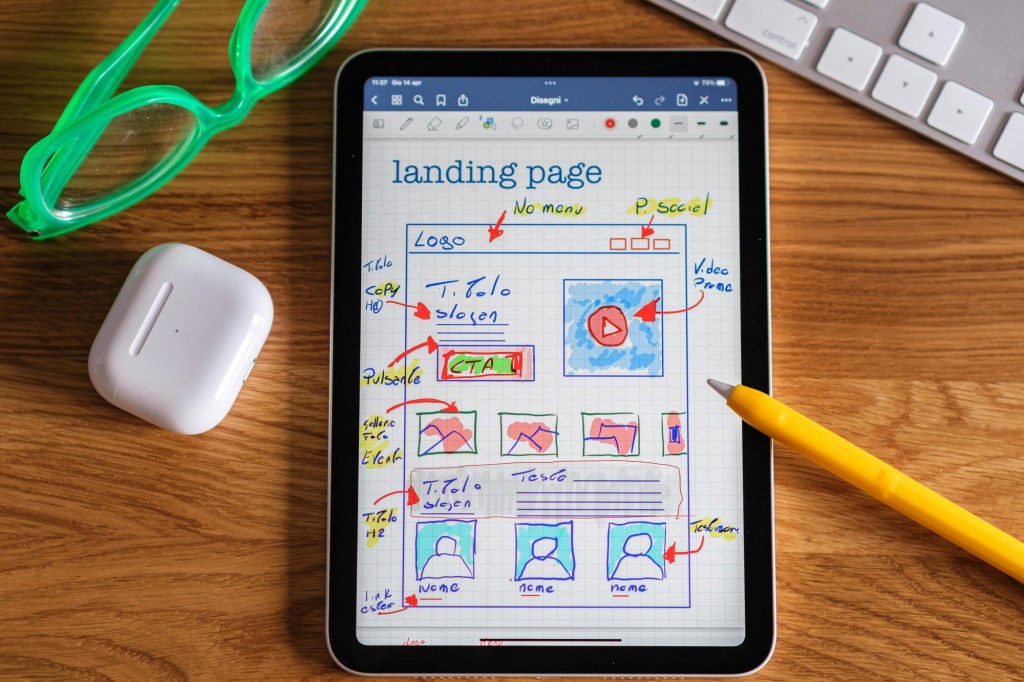
    Set up a simple landing page or newsletter with:

    • A strong headline (“Want weekly tips on building your brand?”)

    • A lead magnet (optional): checklist, ebook, video

    • A simple form to collect emails

    You don’t need a huge audience. You need the right relationships:

    Use free tools like MailerLite, Systeme.io, or ConvertKit to start.

    Add this link to your bio on all platforms. Drive traffic to it weekly.

    9. Collaborate and Be Seen in the Right Circles

    Your personal brand grows faster through connections.

    You don’t need a huge audience. You need the right relationships:

    • Comment on other creators’ content

    • Share their work and tag them

    • Offer to do live sessions or guest posts

    • Join communities in your niche (Reddit, Discord, FB groups)

    These connections expose you to new people who already trust the person you’re aligned with. That trust transfers.

    10. Track What Works and Refine Your Strategy

    Set a weekly or monthly check-in:

    • Which content performed best?

    • What got the most saves, shares, or comments?

    • Which affiliate links brought in clicks or revenue?

    • What did people message or ask you about?

    Use those insights to create more of what works and drop what doesn’t. Over time, your brand evolves from guesswork to precision.

    Final Thoughts: You Don’t Need a Product — You Need a Presence

    Your story, your journey, and your knowledge are enough to get started. Don’t wait until you “have something to sell.”

    When you build a brand:

    • You build attention

    • You build relationships

    • You build trust

    And that’s what eventually leads to monetization — through affiliate links, sponsored deals, digital products, and more.


    SEO Title: The Ultimate Beginner’s Guide to Building a Personal Brand Online (Without a Product)

    Meta Description: Learn how to build your personal brand online from scratch — even if you don’t have a product. Discover the steps to grow trust, followers, and revenue in 2025.

    Slug: /build-personal-brand-online-no-product

    Categories: Personal Branding, Online Business

    Tags: build personal brand, affiliate marketing, online income, personal branding tips, no product needed, beginner guide, content strategy, social media growth

  • Affiliate Marketing for Beginners: How to Start Earning Online in 2025

    Affiliate Marketing for Beginners: How to Start Earning Online in 2025

    In 2025, the digital landscape continues to explode with opportunity. One of the most accessible, low-risk, and scalable ways to start earning online remains affiliate marketing. You don’t need to create a product. You don’t need to manage customer service. You don’t even need to invest any money to start.

    All you need is:

    • A willingness to learn,

    • A device with internet access,

    • And a strategy.

    This guide is designed for complete beginners. Whether you’re looking for passive income, a full-time business, or a side hustle to fit around your job, you’ll learn exactly how to start affiliate marketing in 2025—with zero experience and zero budget.

    What Is Affiliate Marketing and How Does It Work?

    Affiliate marketing is a performance-based business model. You promote a product or service, and when someone buys through your unique referral link, you earn a commission. It’s that simple.

    Here’s how it works:

    1. You join an affiliate program.

    2. You receive a special tracking link.

    3. You share that link through your content (blog, social media, YouTube, etc.).

    4. When someone clicks and purchases, you earn money.

    The players involved:

    Merchant: The company selling the product.

    Affiliate (You): The promoter of the product.

    Customer: The person who clicks and buys.

    Affiliate marketing works behind the scenes of millions of online transactions—often without people even realizing it.

    Choosing the Right Niche in 2025

    Before you promote anything, you need to focus. Picking a niche is like choosing your lane on the highway of the internet. It helps you target the right audience, speak their language, and position yourself as a trusted source.

    How to choose a profitable niche:

    Interest + Demand: Do you enjoy the topic, and are people searching for it?

    Evergreen vs. Trendy: Evergreen niches like health, money, relationships, or self-development will always be in demand.

    Affiliate Product Availability: Are there quality products/services you can promote?

    Top beginner niches in 2025:

    • Remote work tools & productivity

    • Health & fitness from home

    • Personal finance & budgeting

    • AI tools & automation

    • Digital education & online learning

    Choose something that excites you. It’s easier to build content around a topic you actually enjoy.

    Finding Affiliate Programs to Join

    Once you’ve selected a niche, it’s time to find programs that pay. There are thousands of affiliate networks and direct affiliate programs. Most are free to join.

    Three types of programs:

    1. High-volume/low commission (e.g., Amazon Associates – 1-10%)

    2. Low-volume/high commission (e.g., SaaS tools – up to 40-50%)

    3. Recurring commissions (subscriptions and memberships)

    Where to find them:

    Affiliate networks: ShareASale, CJ Affiliate, ClickBank, Impact

    Individual company websites: Scroll to the footer for “Affiliate” or “Partner Program”

    Search tip: Google “[your niche] + affiliate program”

    Don’t join 10 programs at once. Start with 1–2, learn the process, and then expand.

    Setting Up Your Platform (No Website Needed—But It Helps)

    Here’s the truth: you don’t need a blog or website to start affiliate marketing—but having one gives you more control, visibility, and long-term growth.

    Beginner-friendly platforms to promote links:

    Social media: Instagram, TikTok, Facebook groups

    YouTube: Tutorials, reviews, “Top 5” lists

    Email newsletter: Build a small list with free tools like ConvertKit or Mailchimp

    Medium or LinkedIn Articles: Great for written content if you don’t have a site

    Want to build a simple website?

    Use WordPress with a free theme, or tools like Carrd or Systeme.io for quick landing pages.

    Your platform is your storefront. The more helpful your content, the more likely people are to trust your recommendations.

    Creating Content That Converts

    Affiliate marketing isn’t about spamming links. It’s about helping people make better decisions.

    High-converting content formats:

    • Product reviews

    • Comparisons (X vs Y)

    • “Best of” roundups

    • How-to guides

    • Personal stories & experiences

    Golden rule: Focus on value.

    If you’re solving a problem, answering a question, or saving time for your audience, they’ll click your link naturally.

    Helpful tips:

    • Use clear calls to action (e.g., “Try it free here”)

    • Be honest—mention pros and cons

    • Use your affiliate links sparingly and strategically

    Getting Traffic to Your Content

    Without traffic, even the best affiliate links won’t convert. You need eyeballs on your content—and that takes strategy.

    Free traffic methods:

    • SEO (Search Engine Optimization) for blog/YouTube content

    • TikTok trends and short-form reels

    • Pinterest pins (great for evergreen content)

    • Reddit & Quora answers (with care and value)

    • Facebook groups (join conversations organically)

    Build once, earn long-term:

    One helpful video or article can earn you commissions for years if it’s well-optimized.

    Tracking Results & Optimizing

    As your content grows, you’ll want to track what’s working. Every affiliate program offers some reporting, but you can also use tools like:

    • Google Analytics

    • Bit.ly (to track individual link clicks)

    • Pretty Links (for WordPress)

    Optimize what works:

    • Double down on topics that perform well

    • Update older posts to keep them fresh • Experiment with different link placements

    Scaling Your Affiliate Income

    Once you’ve proven that you can earn a commission, it’s time to grow. Don’t just add more links—add more value.

    How to scale:

    • Build an email list and create automated sequences

    • Create “pillar content” that drives consistent traffic

    • Collaborate with other creators for exposure

    • Diversify across platforms (don’t rely only on TikTok or one blog)

    Affiliate marketing isn’t a get-rich-quick scheme—but it can grow into a full-time income if you treat it like a real business.

    Conclusion: Your First Dollar Starts with Action

    Affiliate marketing in 2025 is more beginner-friendly than ever. Tools are better, audiences are more open, and you don’t need money to start—you just need consistency.

    Don’t wait to feel ready. Choose your niche. Pick one platform. Join one program. Create one helpful piece of content. That’s it.

    Your first dollar online is one decision away.


    SEO Title:

    Affiliate Marketing for Beginners: Start Earning Online in 2025

    Meta Description:

    Learn how to start affiliate marketing in 2025 with this beginner-friendly guide. Discover practical steps to build passive income online.

    Focus Keywords:

    affiliate marketing, earn money online, passive income, beginner guide

    Slug (URL):

    /affiliate-marketing-beginners-2025